A New Lease on Life: Kittiwakes embrace modern living and join the national grid
Project Focus:
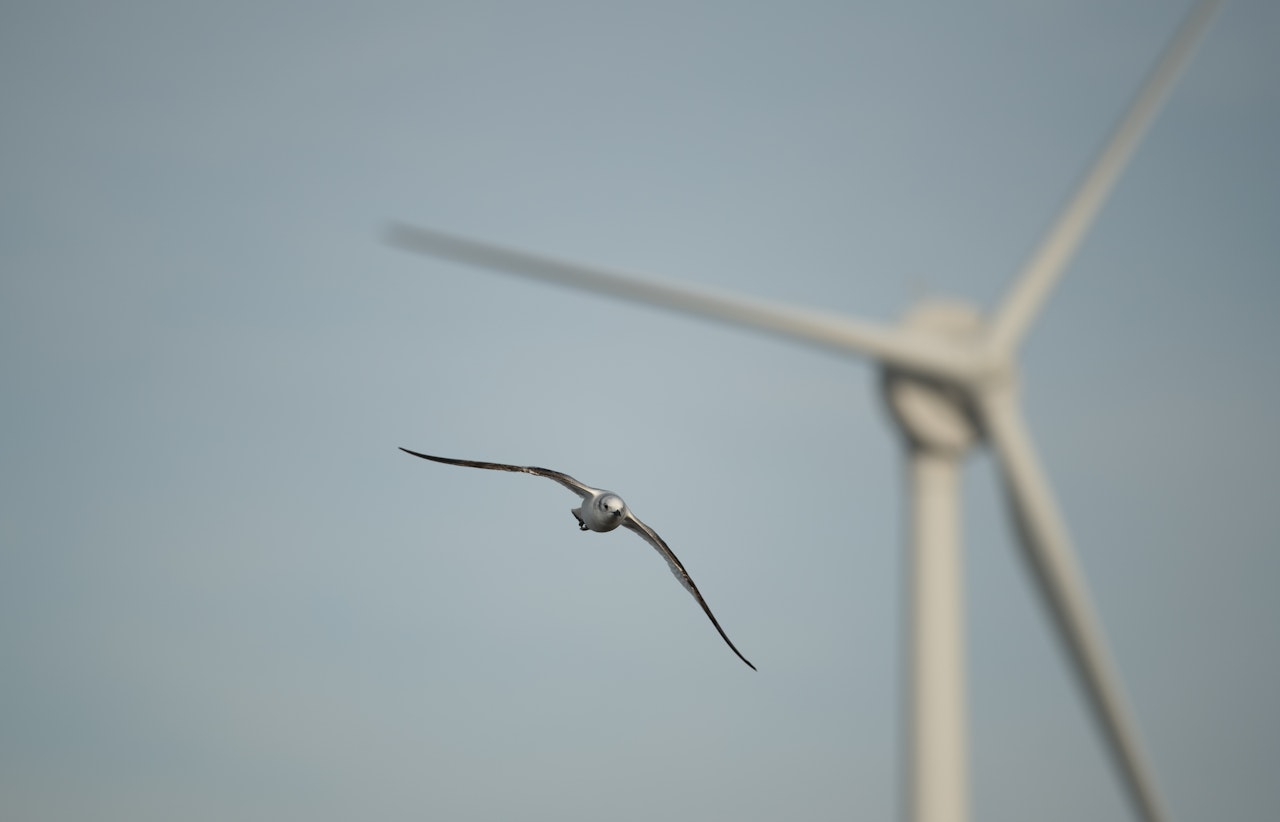
With ambitious targets like Net Zero by 2050, our coast and seas hold the potential for a resilient and decarbonised future. Offshore wind power is widely regarded as one of the most promising sources of renewable energy. However, the expansion of offshore energy production can pose a risk to marine wildlife, including seabirds, if the expansion is not managed correctly. One seabird that is thought to be particularly sensitive to offshore wind farm developments is the black-legged Kittiwake, but a closer look at a Walney Two offshore wind farm may tell a different story.
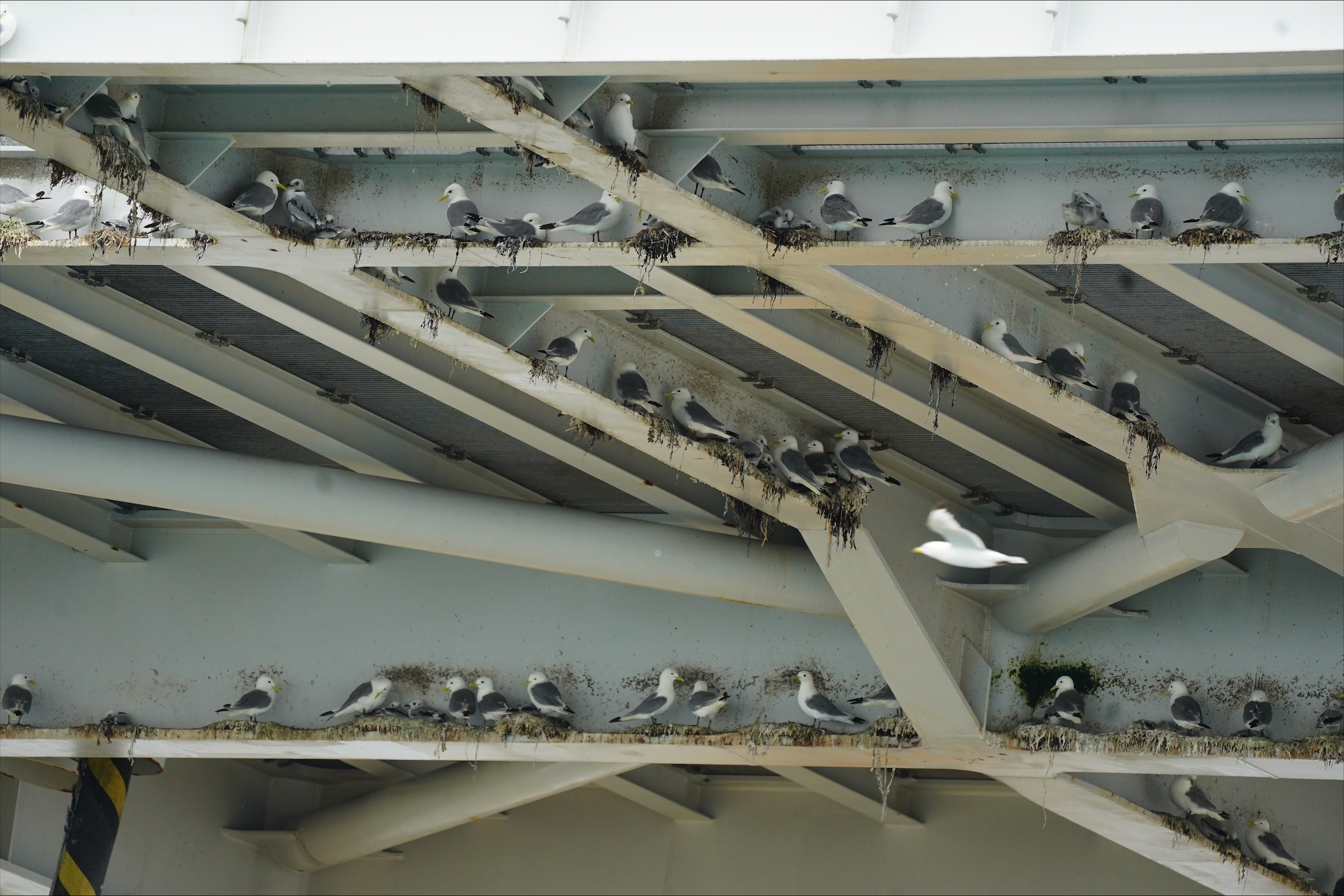
Observations from Ørsted technicians have found a kittiwake colony nesting on Walney Two offshore substation – the platform that helps transmit electricity to the shore. Due to the nature of offshore structures, there remains a lack of data on kittiwake windfarm interactions as sites are difficult to access and survey. This colony appears to be in the early stages of establishment and so provides a great opportunity to better understand kittiwake population dynamics.
Therefore, this report investigates the nesting behaviour of the Kittiwake colony found on Walney Two Offshore wind farm, providing useful insights into their sensitivity to offshore wind developments.
Location:
Walney Two Offshore Wind Farm, Irish Sea
Timeline:
June - December 2023

Deliverables

Intended Impacts
Partner Organisations:
- Ørsted
- Natural England
- North West Wildlife Trusts
Funding Organisations:
- The Crown Estate
Associated Organisations
- Cumbria Wildlife Trusts