SuMMeR CDT PhD: Utilising trait-based approaches to understand offshore wind impacts on benthic ecosystem processes and services
Student Name:
Bridget Sparrow-Scinnoca
Student Bio:
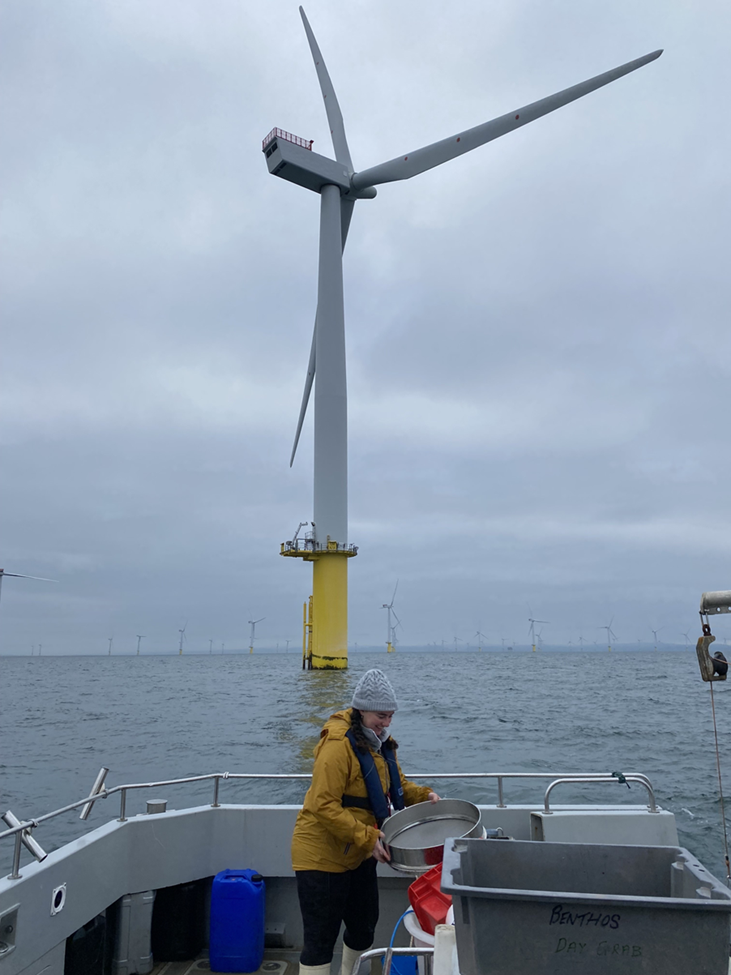
I am a doctoral researcher in the second year of my Ph.D. at Bangor University, where my research focuses on utilising trait-based approaches to understand the potential impacts of offshore wind farms on the benthic ecosystem. I also currently work as a foundation year tutor and demonstrator for both undergraduates and master’s students. I have presented my PhD work at symposiums in London and Bristol, the EcoWIND 2024 Annual Impact Meeting and at the Environmental Interactions of Marine Renewables Conference in Orkney, Scotland.
Having grown up in Canada, I graduated with an Honours BSc in Animal Physiology and Ecology & Evolution from the University of Toronto. I then went on to graduate with an MSc in Ecology, Evolution & Conservation from Imperial College London. I completed thesis research at the Zoological Society of London, studied the use of deep-sea imagery to understand ecosystem dynamics and identified a vulnerable marine ecosystem in the Davis Strait, Greenland. Prior to my PhD, I completed deep-sea contract work for Cefas, JNCC and the Department of Fisheries & Oceans Canada. During that time I was also working as a bat conservation ecologist at the Toronto Zoo.
Project Title:
Utilising trait-based approaches to understand offshore wind impacts on benthic ecosystem process and services
Timeline:
September 2024 - September 2027
Centre for Doctoral Training (CDT) Type:
Sustainable Management of UK Marine Resources (SuMMeR)
Lead University:
Bangor University
Associated Organisations:
Plymouth Marine Laboratory and OneBenthic
Background to Doctorate:
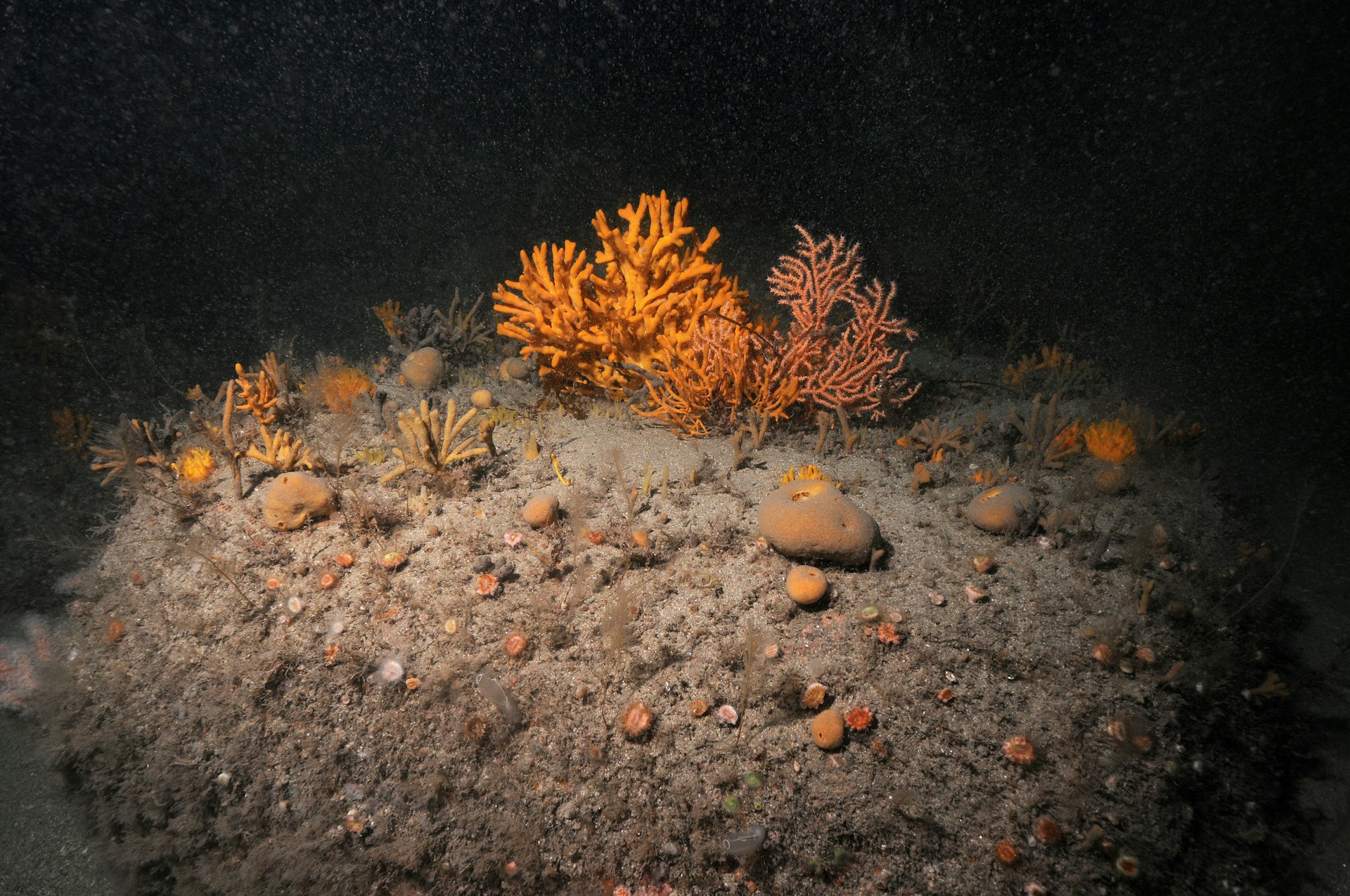
Offshore renewable wind industry installations (OWF) are projected to increase 5-fold by 2030 and yet it is not well understood how this affects the structure and function of seabed ecosystems. Benthic communities play an essential role in the wholistic functioning of the ecosystem, and in turn influence the provisioning of ecosystem services such as carbon sequestration, storage, and nutrient cycling. Benthic community structure needs to be documented so that the effect of anthropogenic and environmental change on the functioning of ecosystems can be assessed. Functional ecosystem attributes will be modelled and mapped to understand habitat specific processes and services which will aid in protecting marine resources.

Objectives

Intended Impacts