

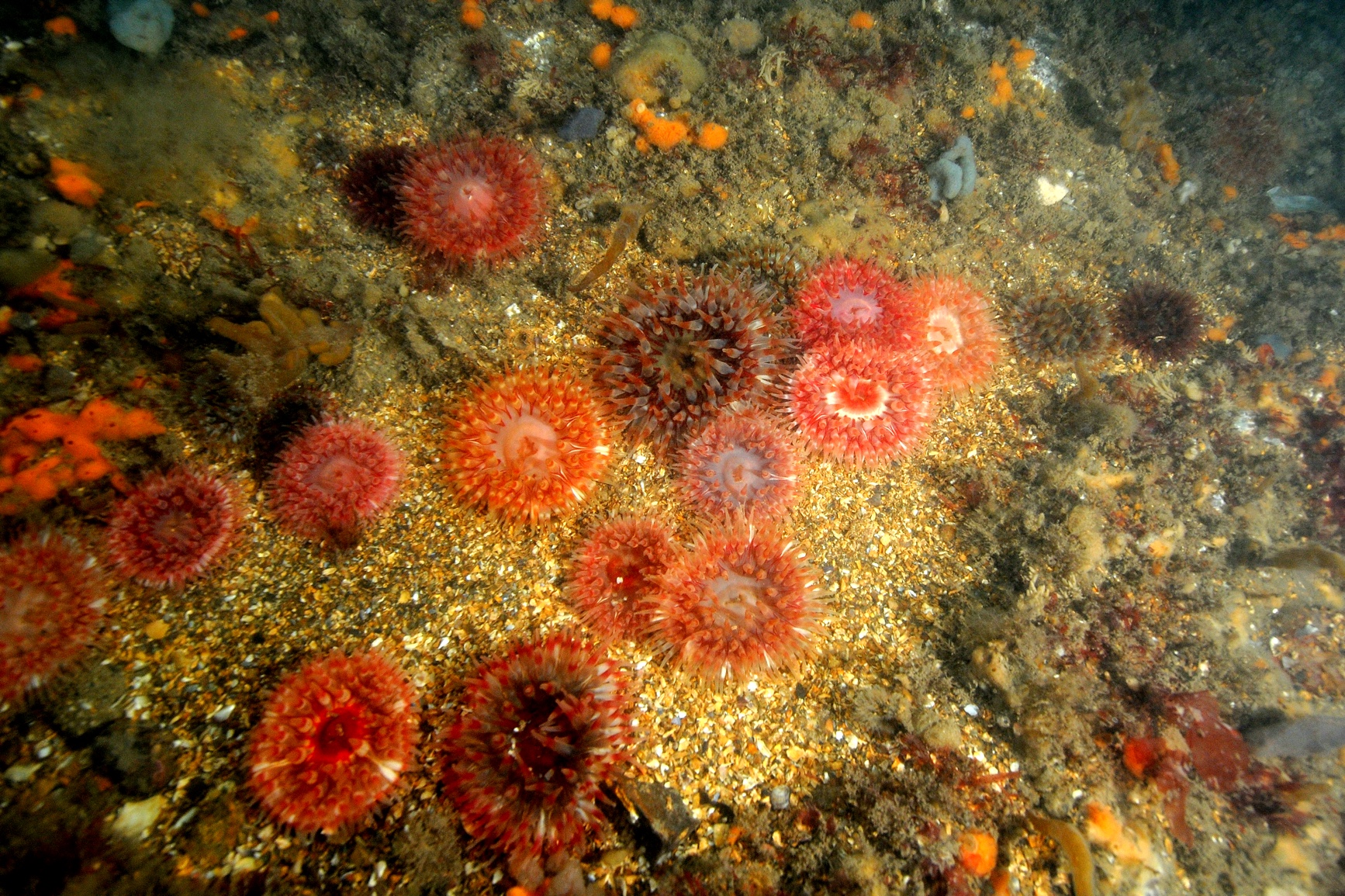
2011, ABPmer, Marine Aggregates Levy Sustainability Fund (MALSF), Geogenic Reefs and the Marine Aggregate Industry
Summary
Data & downloads
Reports
Related Pages
 Series
2013, The Crown Estate, Marine Aggregates Levy Sustainability Fund (MALSF), Aggregate Dredging and the Marine Environment
The purpose of this report is to give an overview of the characteristics of the coastal environment in areas where marine aggregate dredging takes place, or is likely to occur in the future. We then highlight how the results of major investment in research carried out in the UK over the past decade, particularly through the Aggregate Levy Sustainability Fund (ALSF), have assisted in our understanding of the nature and scale of impacts of dredging on the marine environment, and how this information has been used to improve the sustainable management of this key resource for the UK economy.
 Series
2011, Scottish Association for Marine Science, Marine Aggregates Levy Sustainability Fund (MALSF), Measuring the effects of aggregate dredging on key species
Report number: MEPF_08_P76. During marine aggregate extraction and subsequent screening significant amounts of sediment are returned to the sea, the consequences of which are twofold: an initial localised increase in Suspended Particulate Matter (SPM) followed by eventual settlement of particulates with a potential to bury species and habitats. Although much is known of the ecological effects of burial at the population level, very little is known about the effects of burial at the behavioural level and less still of the species responses to elevated SPM. Here we detail the experimental apparatus developed to conduct burial and elevated SPM experiments and the resulting behavioural responses of a range of organisms.
 Series
2011, MALSF, Marine Aggregates Levy Sustainability Fund (MALSF), Natural Variability of Turbidity in the Regional Environmental Assessment (REA) Areas
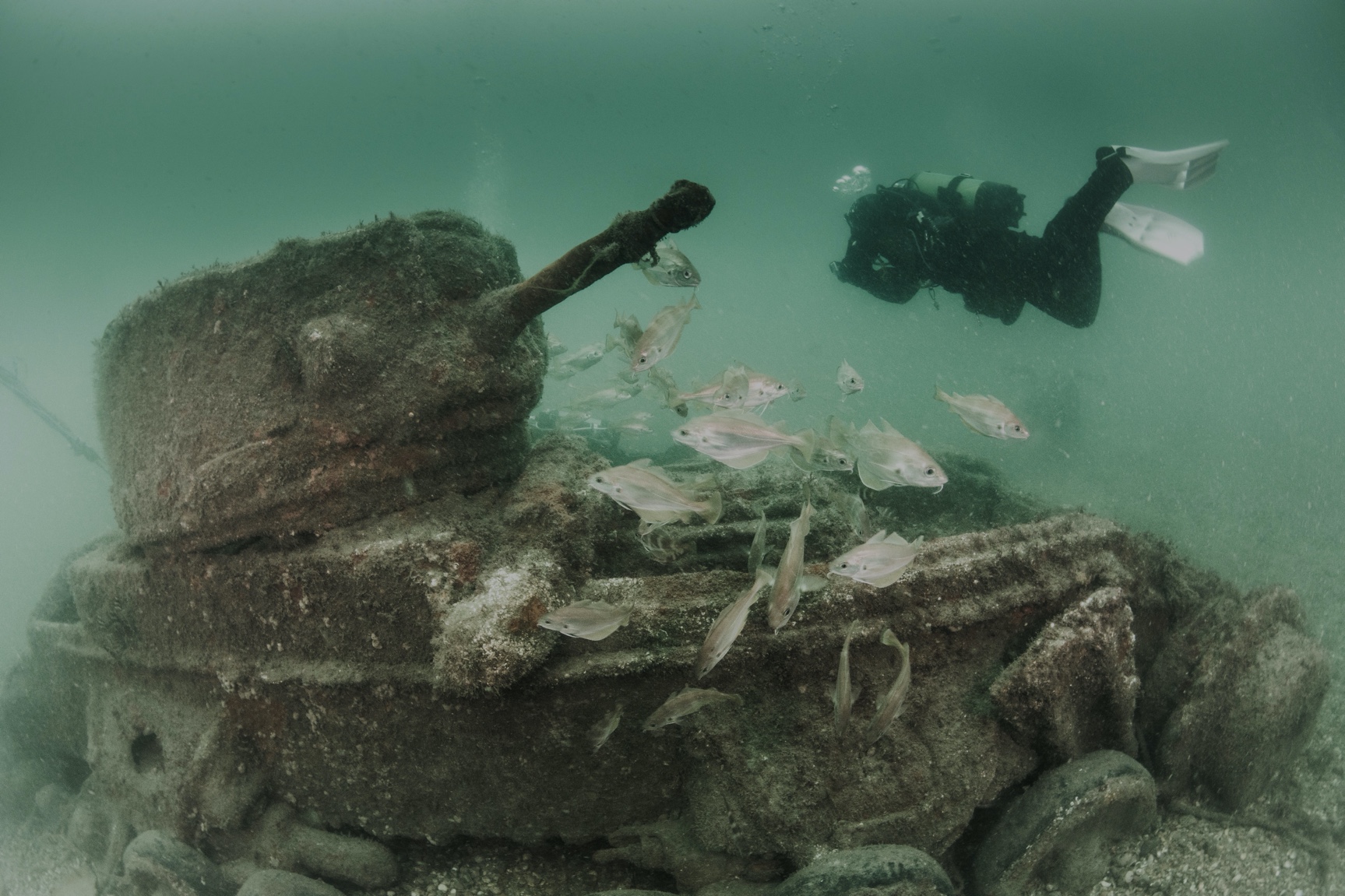
"This dataset was produced to quantify natural variability in Suspended Particulate Matter Concentrations (SPMC) in the Humber, East Coast, Thames, English Channel and South Coast Aggregate Regional Environmental Assessment Areas. The \'turbidity\' band of MODIS satellite data was used to produce climatologies of the inorganic (mineral) SPMC on a monthly basis. The dataset comprises statistical layers (raster) for the maximum (max), mean (mu) and standard deviation (sigma) statistics for each climatological month. The average number of data points for each cell is also included (n). The statistics are based on daily composite images from the period 1/7/2002 to 31/5/2010. "
 Series
2011, Wessex Archaeology, Marine Aggregates Levy Sustainability Fund (MALSF), Archaeological Characterisation
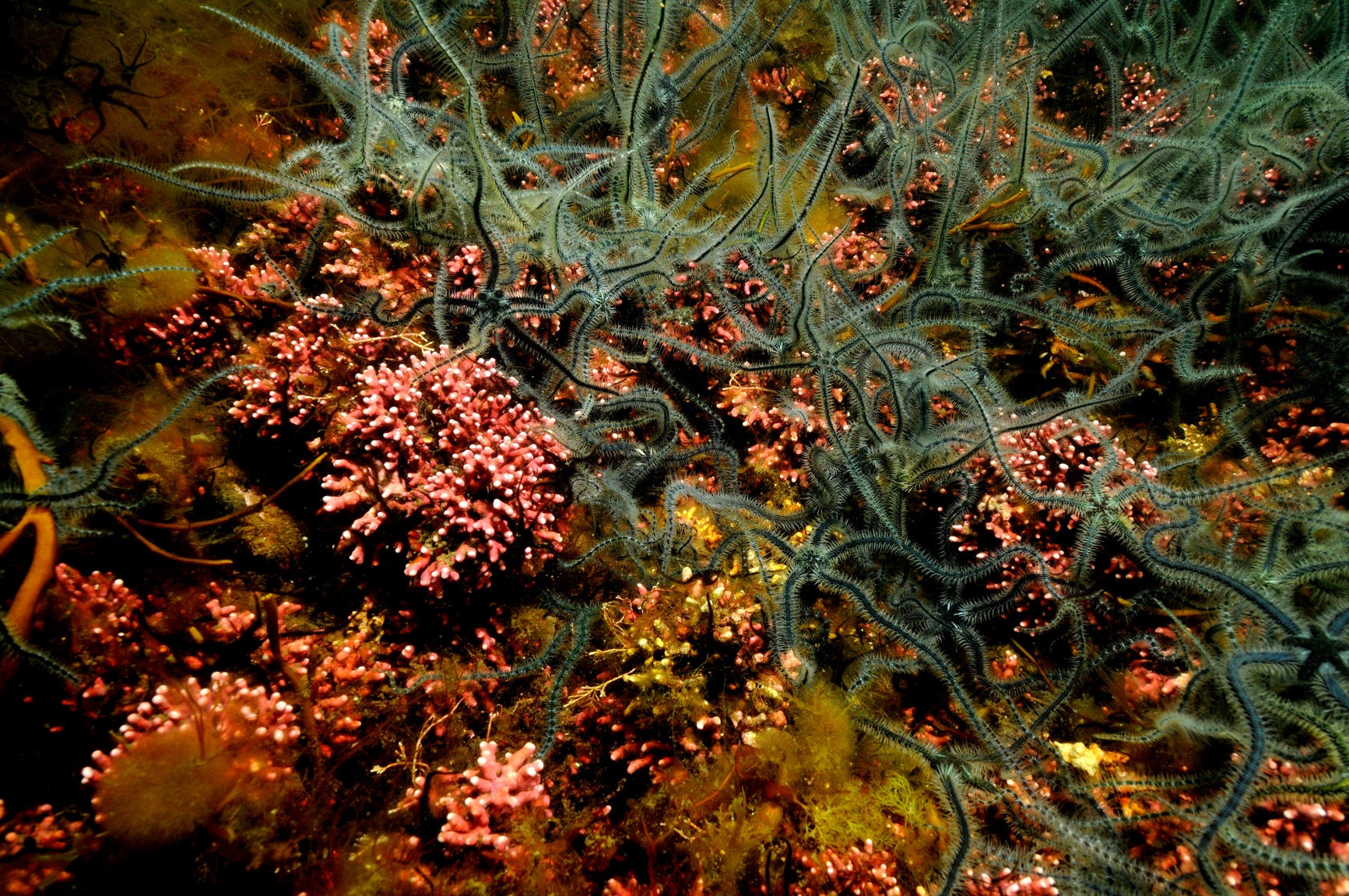
This project is based on the Eastern English Channel Marine Habitat Map (EECMHM). The report identifies and adds archaeological characterisation to the previous study.
 Series
2011, ABPmer, Marine Aggregates Levy Sustainability Fund (MALSF), Direct and Indirect Impacts of Aggregate Dredging
Approximately 20 million tonnes of sand and gravel are dredged from the seabed in England and Wales each year. The area of seabed dredged in 2008 was around 138 km2 representing a tiny overall proportion of the UK Continental Shelf (around 0.01%). The industry provides major economic and social benefits through its overall contribution to the UK economy, sustainability and its role of beach replenishment in flood protection. This monograph considers the direct and indirect impacts that arise from aggregate dredging on the physical environment, marine wildlife, historic deposits and other marine users. It is concluded that, in a regional context, the impacts arising from individual aggregate dredging areas are likely to be not significant as they are minimised through management and mitigation measures by the planning process. Further research is required to assess cumulative impacts and evaluate impacts on ecosystem function in light of these.
 Series
2011, Wessex Archaeology, Submerged Prehistory
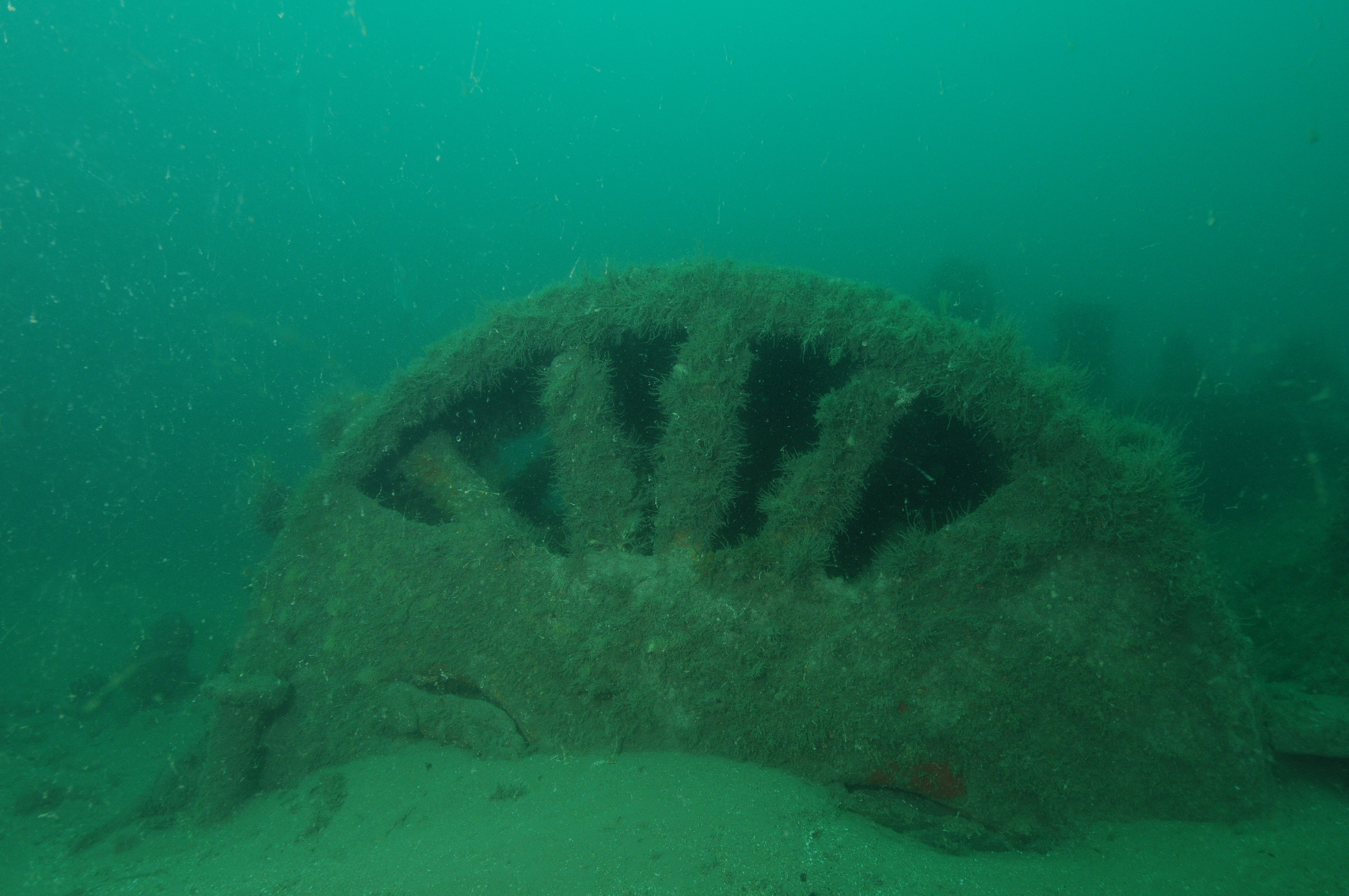
This monograph summarises the great contribution of the MALSF to the study of submerged prehistory in the offshore areas of Britain. The review outlines the development of world-leading methodologies and successful integration of industrial and archaeological working practices. Focusing upon MALSF-financed research, a chronological synthesis of the archaeology and palaeo-landscape reconstructions from large regions of the southern North Sea, English Channel and elements of the west coast encompasses much of the last 1 million years. The wide dissemination and contribution of this research to the understanding of the submerged prehistory of Northwest Europe and Britain is showcased. This substantial body of research serves as an exemplar of best-practice. The MALSF has enabled cross-disciplinary collaboration to better manage, preserve and investigate the finite and internationallyimportant archaeology preserved offshore.
 Series
2011, Wessex Archaeology,Marine Aggregates Levy Sustainability Fund (MALSF), Wrecks at Sea
There is potential for the discovery of shipwrecks dating back to the Mesolithic (over 10,000 years ago), and for aircraft crash sites from the last century. These wrecks can provide fascinating insights into trade, communication, combat, technology, economics and many other aspects of life and society. However, their location on the seabed leaves them vulnerable to impact from development activities such as aggregate dredging. Since its inception in 2002, the Marine Aggregate Levy Sustainability Fund (MALSF) has proactively addressed issues around seabed impact, and has provided funding for a vast range of projects designed to lessen the impact of aggregate dredging on shipwrecks and aircraft crash sites. This volume explores these exciting projects within the context of marine historic environment research over the last decade, and illustrates how the projects not only promote best practice for the aggregate industry but are also accessible and relevant to a much wider audience.
 Series
2011, Envision Mapping, Marine Aggregates Levy Sustainability Fund (MALSF), Biogenic Reefs and the Marine Aggregate Industry
Biogenic reefs are hard, compact structures created by the activity of living organisms. These structures create habitats and confer important ecological functions in the areas in which they occur. As a consequence they have been recognised by several legal frameworks which impart requirements for their management. Of the reefbuilding species in the UK, only three are likely to be of relevance to the marine aggregate industry: the ross worm Sabellaria spinulosa, the blue mussel Mytilus edulis and the horse mussel Modiolus modiolus. This monograph summarises the biology of these widely distributed species, the characteristics of the much rarer colonies that they form and the sensitivities of their reef structures to the potential impacts of aggregate dredging and other disturbances. Some of the management challenges of these habitats are also discussed, including the difficulties in their detection, sampling and mapping.
Series2011, Marine Ecological Surveys, Marine Aggregates Levy Sustainability Fund (MALSF), Recovery of Seabed Resources Following Marine Aggregate Extraction
Dredging for marine sands and gravels makes a significant contribution to the raw materials needed for construction work and beach replenishment in the UK. Whilst the impact of dredging on physical and biological resources is well understood less is known about how these resources recover after dredging stops. In high energy, naturally disturbed environments, physical and biological recovery is rapid because dredge tracks are quickly eroded and faunal communities are made up of many small bodied, rapidly maturing opportunistic species that are already adapted to high levels of disturbance and rapidly recolonise disturbed areas. Nevertheless, in many habitats where aggregate dredging has occurred, a return to a pre-dredge physical or biological conditions often takes years or decades if it occurs at all. In many cases a return to a similar pre-dredge condition may never be possible. This may be because of the highly variable distribution and settlement of marine organisms that occurs naturally or because sediment composition has been altered and supports a different assemblage of animals. What may be more important to recovery is the ability of a different suite of species to perform a similar function within the wider marine ecosystem. Benthic communities are often important in terms of cycling of organic particulate matter and the provision of a food resource for food chains that eventually lead to fisheries production for example. Some recent research indicates that functional recovery may occur more rapidly than recovery of community composition. This work is however, at an early stage and further studies are required to improve our understanding of the impact of aggregate dredging on marine ecosystem functioning and its recovery.
Series2010-2011, CEFAS, The Applicability of Environmental Indicators of Change to the management of Marine Aggregate extraction
"The detection of change in marine and coastal systems, in relation to robust and accepted baseline or reference conditions, is a fundamental concept which underpins the vast majority of marine management frameworks employed in UK waters. Effective marine on the existence of a robust \'toolbox\' of indicators which can be employed to describe relationships between given indicators of pressures and the associated responses of indicators of environmental status (both structural and functional) which assist in decision making processes and marine developmental planning. This report details the examination of whether these indicators can be applied to the Management of Marine Aggregate Extraction."
 Series
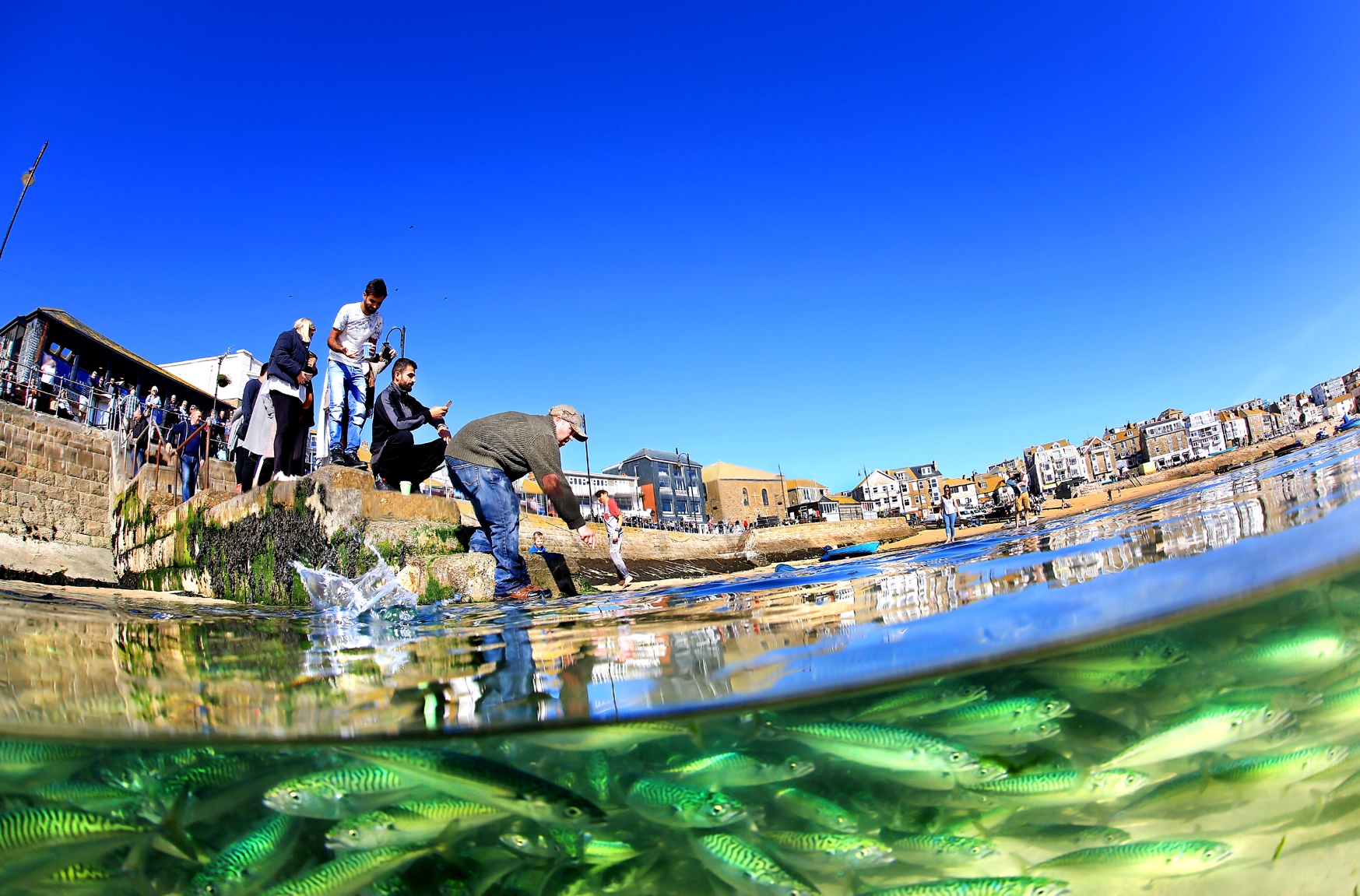
2010, Cefas, Marine Aggregates Levy Sustainability Fund (MALSF), A Marine Aggregate Integrated Ecosystem Assessment
This project examined the historic impacts of dredging with specific study areas at the Eastern Engish Channel and the North Sea.
 Series
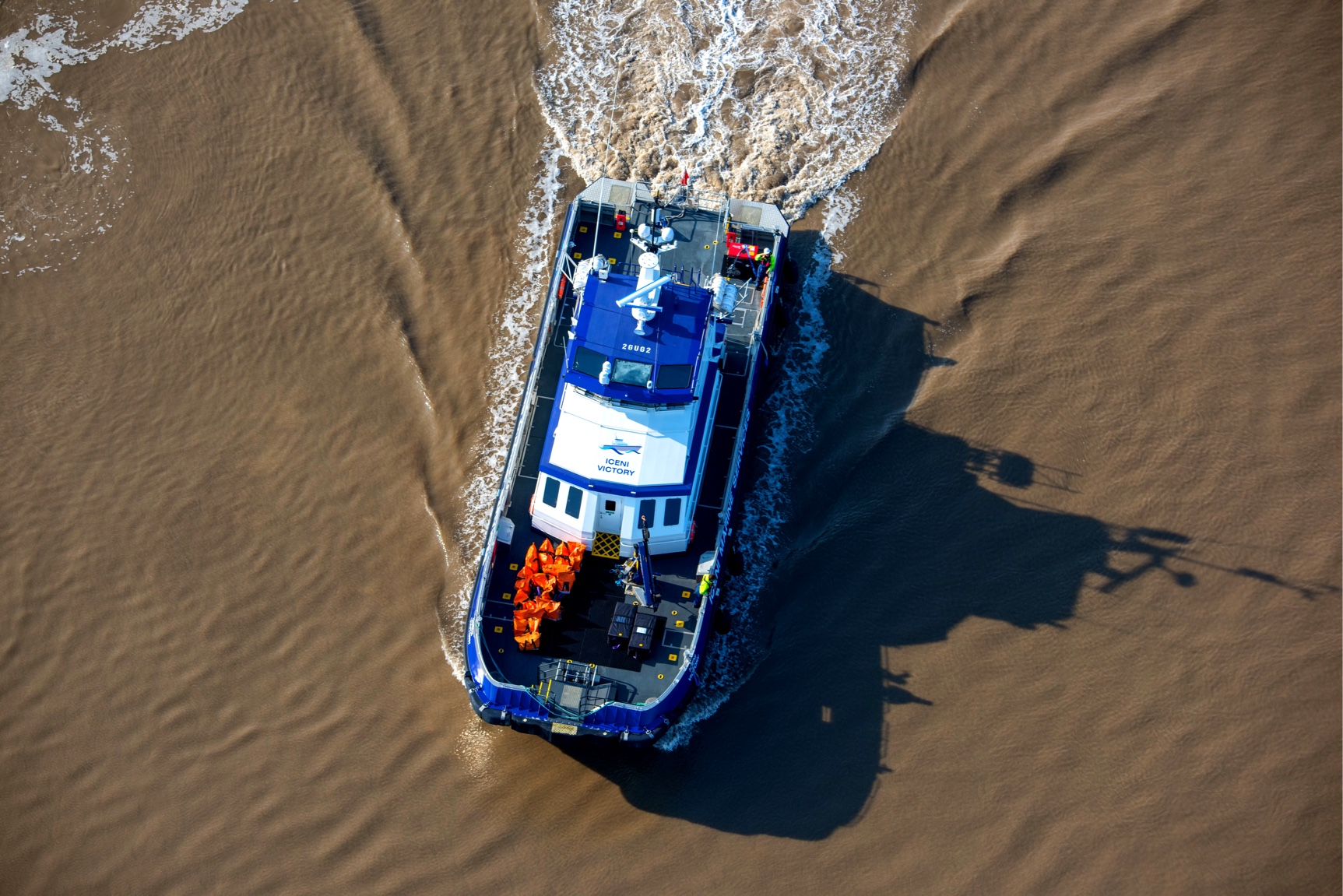
2011, MARIN, Reduction of Environmental Impacts of Dredger Operations - Phase 2
This is Phase 2 of a project with the aim of creating awareness and changing behaviour associated with the operational performance of dredgers and the savings that can be made on fuel and gaseous emissions. The first phase identified areas where carbon reduction can take place from a hydrodynamic point of view in the operation of UK hopper dredgers. In the current project, the identified carbon strategies are evaluated base on measurements onboard ships and more detailed calculations. The scope of work was divided into 6 modules: Optimising ship speed by improved voyage planning, feedback monitor, trim optimisation, maintenance strategies, propeller optimisation and energy saving devices and a Green shipping simulator.