
2012, Subacoustech Environmental, Race Bank, Modelling of Noise during Impact Piling Operations
Summary
Data & downloads
Datasets
Related Pages
 Series
2023-2025, Orsted, Race Bank, Offshore Sub Station Wave Radar
Wave height, period and directional measurements from a wave radar installed in the OSS of Racebank Wind Farm, specifically in the ROW01 Z1 offshore substation. Dataset covers Dec-2023 to April 2025, until October 2024 dataset only shows wave height due to a head malfunction.
 Series
2020, Marine Space, Race Bank Offshore Wind Farm, Year 1 Post-Construction Sandeel Monitoring
The sandeel monitoring makes use of available sediment particle size and acoustic data collected as part of the benthic and seabed monitoring programmes. This information is used to determine whether there has been a significant effect on the distribution of sandeel habitat as a proxy for sandeel abundance, as a result of the construction of the Race Bank Offshore Windfarm (RoW). This assessment of sandeel habitat will enable an evaluation of potential implications for the Sandwich tern population of the North Norfolk Coast Special Protection Area (SPA), which is a qualifying feature of the protected site. Sandwich terns feed on small- to medium-sized fish, particularly sandeel, and their foraging range can be as great as 50-60 km from their colony.
 Series
2018, Ocean Ecology, Race Bank, Post-Construction year 1 Benthic Report
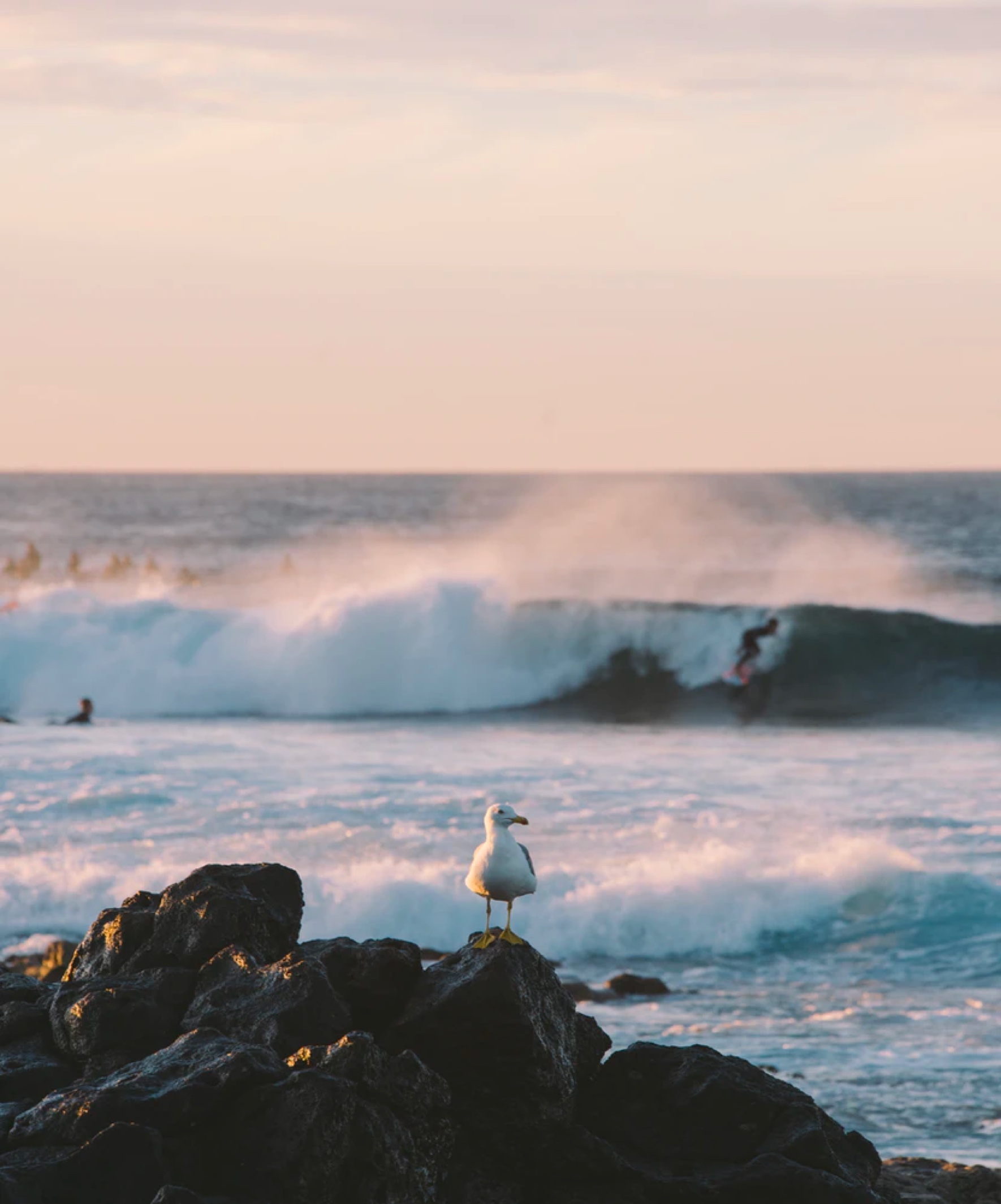
Completed in late 2017, Race Bank Offshore Wind Farm (ROW01) (The Project) is comprised of 91 x 6.3 Mega-Watt (MW) Wind Turbine Generators (WTGs), built on 7 m diameter monopile foundations. The project supports two Offshore Sub Stations (OSSs), inter-array cables (IACs) and two subsea export cables with an export cable link between the two offshore substations. ROW01 is located, at its closest point, 27 km offshore of the north Norfolk coast. The marine export cables make landfall approximately 1 km to the east of the mouth of the River Nene, within The Wash, Lincolnshire. The ROW01 array lies within the Inner Dowsing, Race Bank and North Ridge Site of Community Importance (IDRBNR SCI), and the export cable route passes through The Wash and North Norfolk Coast Special Area of Conservation (WandNNC SAC). Both the IDRBNR SCI and WandNNC SAC are, amongst other features, designated for the presence of Annex I biogenic reefs and sandbanks which are slightly covered by seawater at all times (subtidal sandbanks).
 Series
2018, APEM, Race Bank, Year 1 Ornithological Report
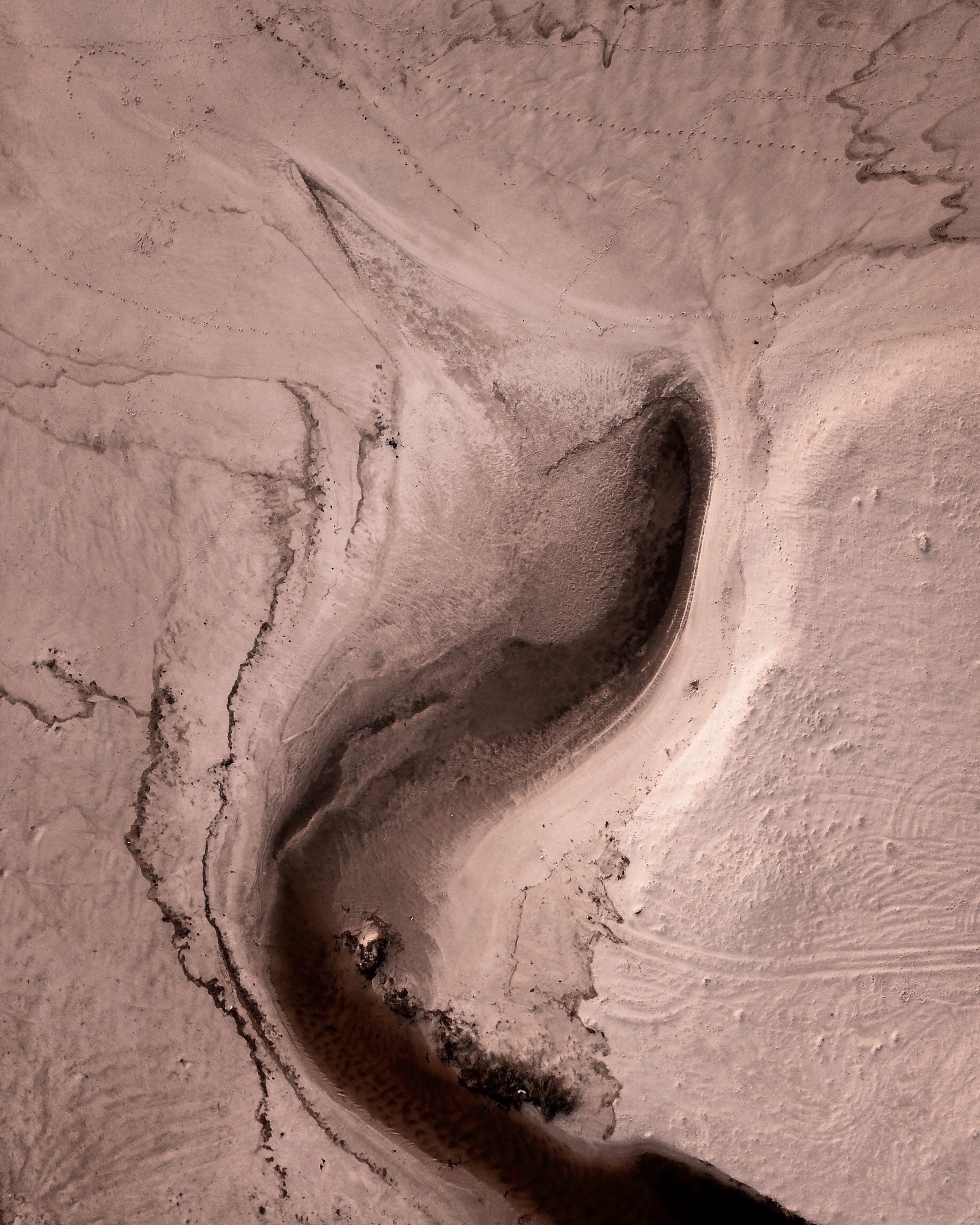
High-resolution aerial digital surveys were undertaken of the Race Bank offshore wind farm and wider area. Two surveys per month were undertaken from April to August 2018 to collect a continuous strip of digital still imagery at 2 cm resolution which covered approximately 20% of the survey area. The purpose of the surveys was to collect information on the abundance, distribution, and flight height of Sandwich terns in order to meet the post-construction monitoring objectives as detailed in the Race Bank Ornithological Monitoring Plan (OMP).
 Series
2018, Ørsted, Race Bank Offshore Wind Farm, Y0 Sandeel Monitoring
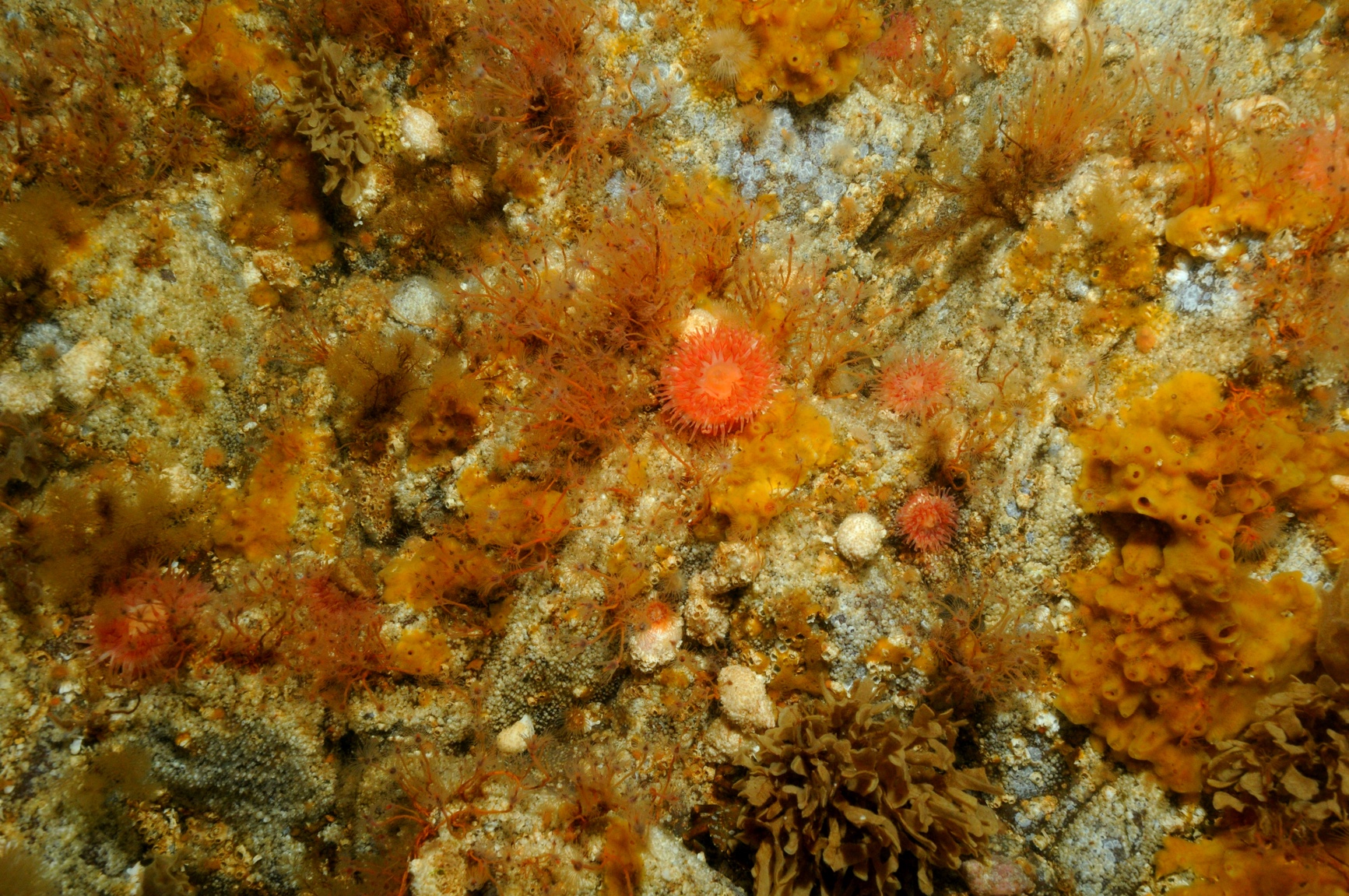
Race Bank Wind Farm Limited agreed with the Marine Management Organisation (MMO) and its advisers that all reference to fish monitoring be removed from the Race Bank Offshore Wind Farm (the ‘Project’) Marine Licence (L/2012/00217 (as amended)) with the exception of sandeels for which monitoring will be provided for under the Project’s Ornithological Monitoring Plan (OMP). In order to identify any changes in sandeel habitat, it is necessary to first establish the current habitat baseline. This report uses sediment data from the Project’s pre-construction benthic baseline survey along with acoustic seabed images, to identify those areas of the Project site and wider area that represent suitable habitat for sandeel.
 Series
2017, GoBe Consultants Ltd., Race Bank, Cocklebed Monitoring Report
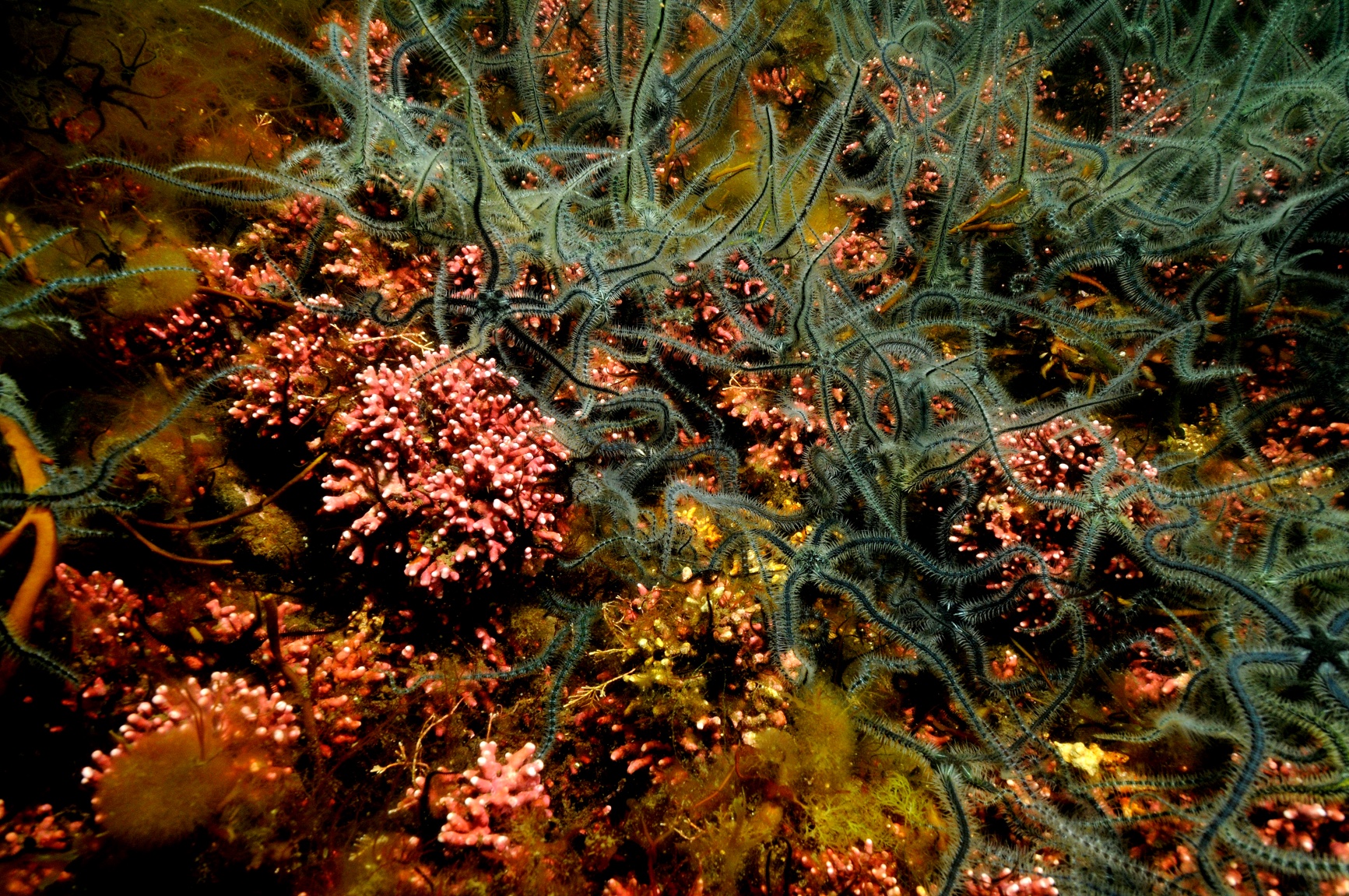
Race Bank Offshore Wind Farm Post-Construction Cockle Bed Monitoring Report. This Cockle Bed Post-construction Monitoring Report presents the post-construction assessment of cockle beds in the vicinity of the development to comply with the Race Bank Offshore Wind Farm Marine Licence (L/2012/00217) requirements, in relation to the monitoring of cockle populations.
 Series
2017, Marine Space, Race Bank Offshore Wind Farm, Pre-Construction Benthic Baseline Report
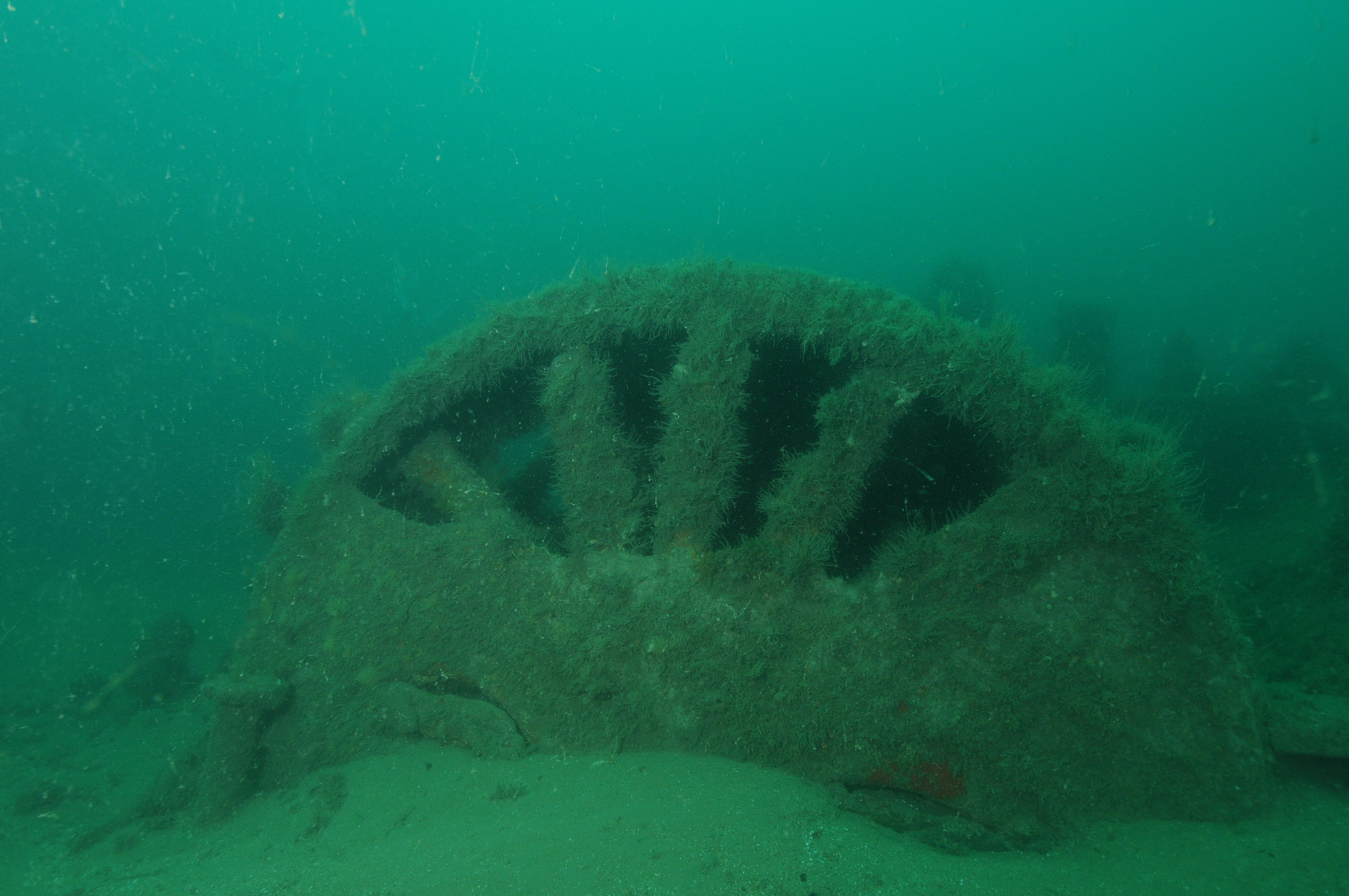
MarineSpace Ltd was commissioned by Dong Energy RB (UK) Limited (DONG Energy) to plan, manage and report on a benthic baseline survey prior to construction of the Race Bank Offshore Wind Farm in order to fulfil the requirements of Marine Licence L/2012/00217 and provide a robust baseline to measure the potential environmental impacts of the works. Precision Marine Survey Ltd (PMSL) carried out the survey work and undertook analysis of subsequent biological and seabed sediment samples. This document presents the pre-construction benthic baseline monitoring survey results which will form a robust baseline for comparison with subsequent post-construction benthic monitoring surveys. This report fulfils the requirements of Marine Licence L/2012/00217/12.
 Series
2015, Wessex Archaeology, Race Bank, Stage 3 Palaeoenvironmental Assessment
Wessex Archaeology was commissioned by DONG Energy to undertake a Stage 3 palaeoenvironmental assessment of vibrocore and borehole samples from the site of the proposed Race Bank Offshore Windfarm. The Stage 3 palaeoenvironmental assessment has comprised the palaeoenvironmental assessment of suitable material for recovering floral (plants, charcoal, pollen and diatoms) and faunal (insects, molluscs, ostracods and foraminifera) remains and included radiocarbon dating of samples. The assessment was undertaken upon vibrocore samples from the export cable route (VC-EX-021 and VC-EX-034) and from boreholes in the wind farm area (BH-CPT-01, BH-CPT-11, BH-CPT-14 and BH-G01) derived from two separate geotechnical surveys undertaken in 2010 and 2013 respectively.
 Series
2015, RSK Environmental Ltd, Race Bank Offshore Wind Farm, Botanical Saltmarsh Survey
The report in this series describes the results of botanical surveys carried out in September 2015. It describes the baseline condition of saltmarsh vegetation found along the export cable routes between kilometer point (KP) 0,2 and KP1.2. This baseline survey has been designed to allow a comparison of vegetation structure and composition following export cable installation works, due to commence in May 2016. It also provides a summary of the results of vegetation surveys undertaken in association with the 2014 geotechnical investigation works on the saltmarsh.
 Series
2015 - 2023, Fugro EMU, Race Bank, Metocean Survey
This series contains the reports and datasets for the South and North Seawatch Midi 185 buoys, deployed by Fugro EMU just outside of the wind farm boundary in September (South - 53°14.320’ N, 000°54.007E) and October (North - 53°19.537’ N, 000°48.212E) 2015.
Series2015, MarineSpace, Race Bank, Annex I Habitat Assessment and Micrositing Advice
This document provides identification and assessment of Annex I reef habitats from Phase 1 and 2 surveys and represents advice to DONG Energy in relation to potential Annex I micro-siting requirements. The benthic baseline monitoring, consisting of 148 planned grab samples along the export cable route and within and beyond the wind farm array site, will be documented in a later report. That analysis will form a baseline for subsequent post-construction benthic surveys. Grab samples were not taken along the drop down video transects (as the image clarity was sufficient to support the determination of reef habitat).
 Series
2015, Subacoustech, Race Bank, Underwater Noise Modelling to Show the Impacts of Increasing Hammer Blow Energies
This report presents a summary of the predicted noise levels likely to occur during installation of monopile foundations at Race Bank and to determine the increase in impact ranges when using various hammer blow energies. In order to estimate the noise levels likely to arise from the installation of monopiles using various hammer blow energies at Race Bank predictive underwater noise modelling has been undertaken. The modelling has been carried out using Subacoustech Environmental’s INSPIRE model.