

2023-2026, JNCC, ProcBe, Best Practice Guidelines (WP5)
Summary
Data & downloads
Reports
Related Pages
 Series
2025-2026, JNCC, Offshore Wind Evidence and Change Programme, OWEER Gap Analysis and Reprioritisation (OWGRE)
The Crown Estate commissioned JNCC to review the Offshore Wind Environmental Evidence Register (OWEER) in 2025. This was the first time since the OWEER was established in 2021, that a deep dive review was carried out. The purpose of the review wasto understand whether and which evidence gaps listed in the register had been closed by OWEC and a targeted selection of other research programmes that included ScotMER, ORJIP, OESEA and OWEAP). The review also conducted a reprioritisation of the remaining open evidence gaps. This work was commissioned primarily to inform future funding priorities from the remaining OWEC research budget and so the OWGRE work went a step further to ask the JNCC to advise which of the remaining evidence gaps were an immediate, short and medium term need, based on a publicly available pipeline of offshore wind project target commissioning dates. The OWGRE work is complete and there are two reports available on the MDE: • Assessment of evidence gap closure in the Offshore Wind Environmental Evidence Register (OWEER) • Recommended Priority Funding Areas For The Offshore Wind Evidence And Change Programme (OWEC) The Recommended Priority Funding Areas report identifies a list of evidence gaps that JNCC have advised need to be closed in the immediate, short or medium term. The OWGRE work also identified opportunities to enhance and build on the OWEER content to enable a more efficient approach to assessing evidence gap closure for the future. These enhancements are being taken forward in follow up to OWGRE. Work has already been delivered to improve the user experience by digitalising the OWEER and TCE are now scoping work with JNCC to enhance the evidence gap definition and the prioritisation approach. The OWEER is now here: https://owekh.com/evidence-register/about Feedback is welcomed via the tool. OWEC will carry out some additional work to further refine the evidence priorities identified by the OWGRE reports to inform targeting of its remaining funds. This further refinement process is expected to conclude by beginning of Q3 2026.
 Series
2025-2026, Strategic Net Gain Task and Finish Group, Offshore Wind Evidence and Change Programme (OWEC), Piloting Strategic Marine Net Gain in the East Marine Plan area
In 2021, a Task and Finish Group (T&F Group) was established with funding from the Offshore Wind Evidence and Change (OWEC) Programme to conduct extensive evidence and research gathering, aimed at supporting the effective delivery of Marine Net Gain (MNG) and maximising the impact of future net gain obligations. Since the T&F Group’s establishment, two phases of work have been completed; Phase one examined the current state of marine and coastal environments nationally, and through extensive stakeholder consultation identified a set of strategic MNG targets that could have the greatest impact in reversing marine and intertidal biodiversity loss. Phase two examined a range of restoration and conservation efforts around the UK, as well as estimated future demand for MNG. This work aimed to understand the successes, failures and challenges of initiatives, in order to refine the strategic MNG targets. In 2025, a third phase was undertaken that focused on applying the strategic MNG targets at a local level within the East Marine Plan (EMP) areas. Across all phases of the work, a consistent conclusion has emerged: a strategic approach to MNG is essential to deliver meaningful and lasting benefits for the marine environment. This phase, consistent with previous work, presents two Evidence and Research Gathering reports, and a Final Report that includes a package of recommendations intended to be considered collectively by Defra and other stakeholders. The recommendations aim to ensure that any future MNG policy is industry-backed, evidence-based, and supported by those directly and indirectly affected by its implementation.
 Series
2024-2025, Natural England, Environment Agency, JNCC, and Cefas, Offshore Wind Evidence and Change Programme, Marine Restoration Potential plus (MaRePo+) Review of the Distribution of historical seabed habitats
This series summarises the results of the MaRePo+ assessment of historical benthic habitats. MaRePo+ follows the initial pilot project Marine Restoration Potential (MaRePo) project, a joint collaboratively funded project by The Crown Estates Offshore Wind Evidence and Change programme, Defra and Natural England. MaRePo mapped the restoration potential of some of the OSPAR ‘known threatened’ and ‘declining’ marine habitats in English waters (Johnson et al. 2023). In this project, spatial and qualitative information was extracted from 282 primary and secondary sources including Admiralty charts, parliamentary commissions, naturalist accounts and scientific publications, published between 1796-2024. These data were synthesised to generate an understanding of the distribution of the benthic habitats recorded in English waters up until 1950, and where data allowed, describe changes over time. Despite variations in the scale and resolution of coverage of England’s coastal and marine regions and habitat types, we identified varying quantities of historical information on the following ten habitats: flat oyster (Ostrea edulis) reefs, mussel (Mytilus edulis) beds, rocky reefs, soft corals, seaweeds, maerl (Phymatolithon calcareum), submerged peat banks, coarse sands and gravel, burrowing megafauna, and seagrass (primarily Zostera spp.) beds. These habitats were included based on previous MaRePo outputs and through consultation with Natural England, which included consideration of habitats listed by OSPAR as threatened or declining species in English waters. The historical sources provide evidence of continued and significant degradation across multiple habitats, in some cases showing that modern distributions are likely to be a relic of once much wider ranges. In the context of long-term and cumulative anthropogenic pressures on the seabed within England’s exclusive economic zone (EEZ), historical information can support the understanding of changes of habitats over time and provide helpful information on where restoration of these habitats might be most appropriate, for potentially both Marine Net Gain (MNG) and marine compensation.
 Series
2024-2025, Defra, Offshore Wind Evidence and Change Programme (OWEC), UXO Clearance Technology
The primary objectives of this project are to test quieter alternative technologies for the clearance of unexploded ordnance (UXO) encountered during offshore wind farm construction. The project aims to reduce the environmental impact of UXO clearance, particularly underwater noise that can harm marine life, by supporting the effectiveness testing of new technologies in controlled environments. By building a robust evidence base, the project seeks to enable more efficient and environmentally sustainable licensing processes, facilitate the broader adoption of quieter clearance methods, and support the acceleration of offshore wind deployment to meet the UK's 2030 renewable energy targets. Additionally, the project intends to minimise disturbance in protected marine areas and contribute to national and international commitments to lower underwater noise and improve the condition of Marine Protected Areas by 2042.
 Series
2024, JNCC, ProcBe, Observational Bird Behaviour Data Collection (WP3)
In order to support the expansion of offshore wind in the UK and meet the Government’s Net Zero targets as well working towards addressing the biodiversity and climate crises it is essential to reduce uncertainty around the potential impacts of offshore wind. The Offshore Wind Evidence and Change programme (OWEC) has provided funding to address the consent risk for Offshore Wind (OW). The most recent leasing rounds for OW will increase the likelihood of overlap with species that have not been a focus of impact assessments in the past. Procellariforms, specifically Manx shearwater, European storm-petrel and Leach’s storm-petrel have not been a common species of concern for OW in the UK, but this is likely to change with Round 4, ScotWind and floating wind developments. The possible impact pathways between these species and OW are poorly understood and the purpose of the Procellariform Behaviour and demographics project (hereafter ProcBe) is to improve understanding and reduce uncertainty around some of these potential impact pathways. One of the work packages, work package 3 (hereafter WP3), is being led by the JNCC and is seeking to improve understanding of shearwater and storm-petrel flight heights, including in adverse weather conditions. Current estimates of flight height are mainly produced using boat-based observations and Digital Aerial Surveys (DAS). Although these have the potential to provide good estimates they cannot collect data in adverse weather conditions, such as high winds and sea states due to restrictions on methodologies (European Seabirds at Sea, ESAS) and it is expected that seabirds, particularly, will display different flight behaviour in such conditions. To find out more about the project, visit the Marine Data Exchange ProcBe webpage here: https://www.marinedataexchange.co.uk/content/stories/procbe
Series2024-2026, ORJIP, Offshore Wind Evidence and Change (OWEC), Displacement in the non-breeding season (DisNBS)
Displacement in the non-breeding season (DisNBS) project set out to improve how the displacement of seabirds by offshore renewable developments is estimated during the non-breeding season. By strengthening understanding of the mechanisms that influence displacement risk, the project supports more robust, evidence-based assessments and helps reduce consent risk, while allowing new evidence to be incorporated as it becomes available. The project developed an individual-based model approach for seabirds in the non-breeding season, enabling simulation of time-energy budgets, and the resulting impacts on body mass and survival, both with and without offshore renewable development scenarios. The approach was demonstrated through case studies focusing on Isle of May guillemots and North Sea redthroated divers. The resulting tool, RoamR is publicly available on Github with supporting documentation to enable users to install and apply the model. The link to the Github can be found in the data packages of this series or at the following link: https://github.com/dmpstats/roamR The DisNBS project was supported by the Offshore Wind Evidence and Change programme, led by The Crown Estate in partnership with the Department for Energy Security and Net Zero and Department for Environment, Food & Rural Affairs.
 Series
2023-2024, APEM, POSEIDON, North Sea Seabird and Marine Mammal Surveys
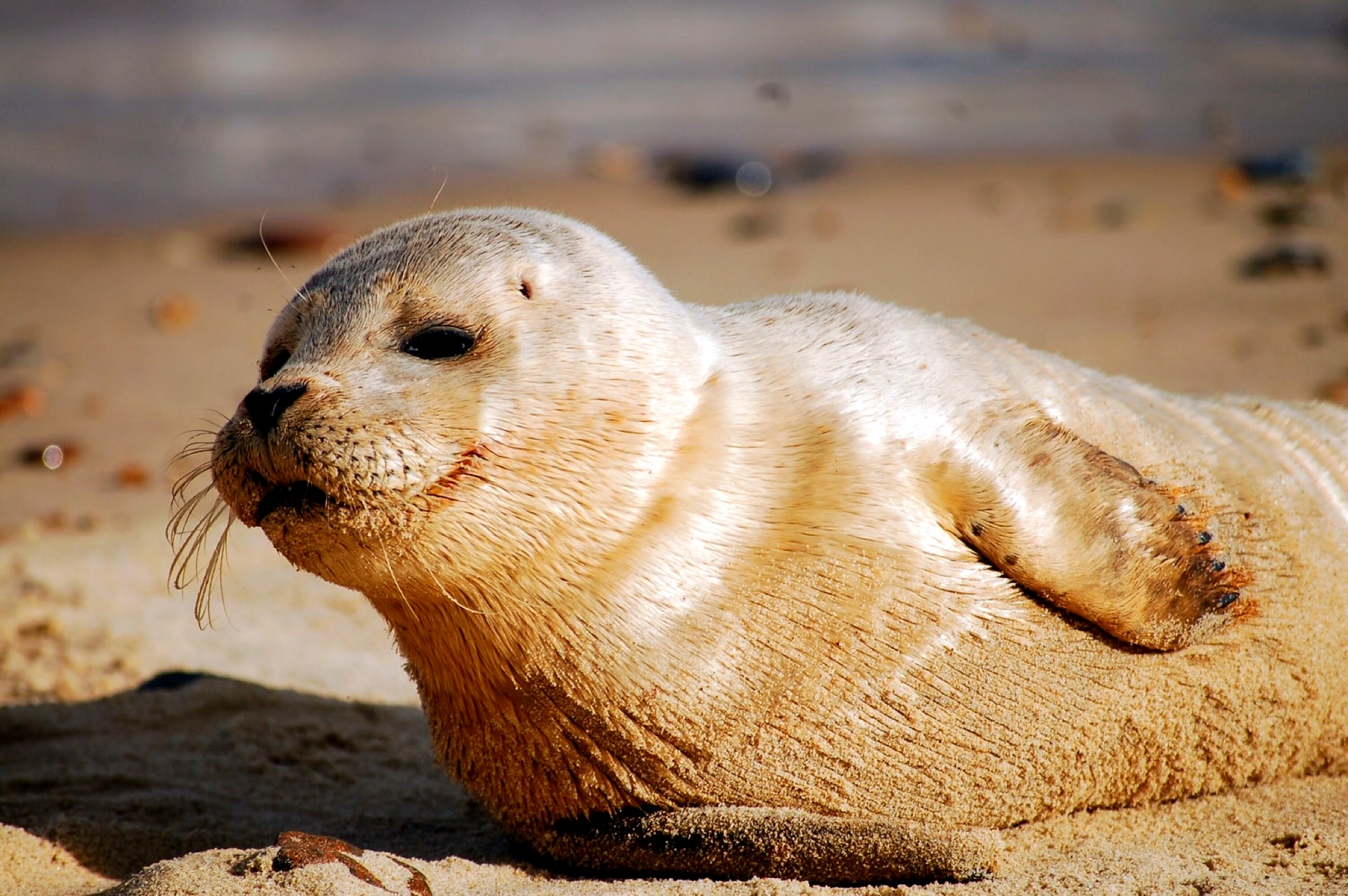
This series includes the reporting and data deliverables for seasonal aerial surveys of seabirds and marine mammals in the Central North Sea completed under the POSEIDON project. POSEIDON is a multi-year, multi-partner project funded through The Crown Estate OWEC programme and led by Natural England.
 Series
2023-2024, APEM, POSEIDON, Celtic Sea Seabird and Marine Mammal Surveys
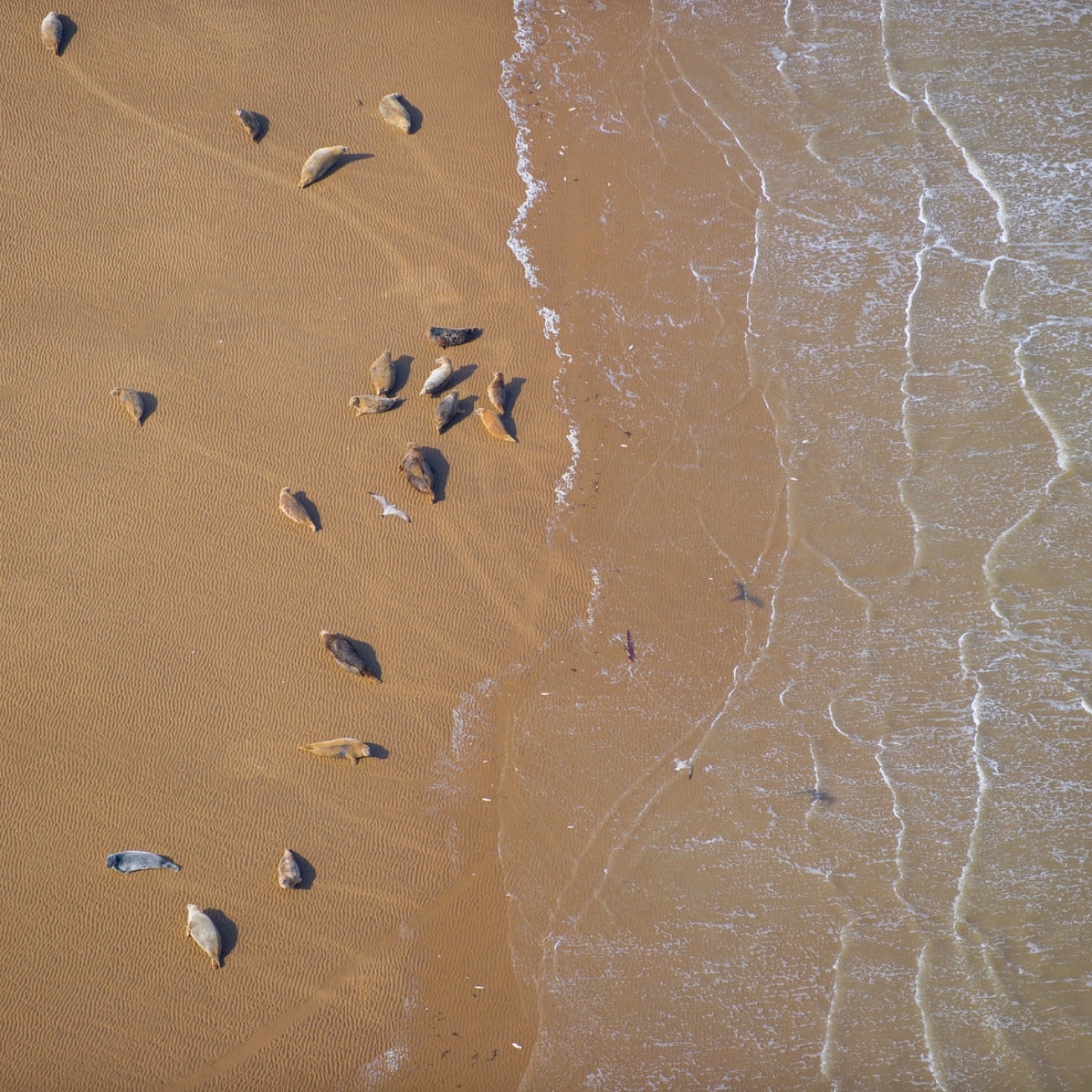
This series includes the reporting and data deliverables for four year two seasonal aerial surveys of seabirds and marine mammals in the southwest Celtic Sea completed under the POSEIDON project. POSEIDON is a multi-year, multi-partner project funded through The Crown Estate OWEC programme and led by Natural England. The series constitutes: The first year two seasonal (October to December 2023) report outlining results from digital aerial surveys conducted in November 2023 within the South-West Celtic Sea under the POSEIDON project and commissioned by Natural England. Surveys were undertaken using APEM’s high-resolution camera system to capture digital still imagery of birds and marine megafauna within the Survey Area. The survey was successfully carried out across two non-consecutive days in November 2023, with one day between surveys. There were no safety issues. A total of 747 observations were recorded in November 2023, of which 584 were observations of birds and 163 observations were of marine megafauna.
 Series
2024, JNCC, ProcBe, Review of Biotelemetry Technology (WP1)
As part of WP1 in the ProcBe (Procellariiform Behaviour & Demographics) Offshore Wind, Evidence, and Change project, the objective of WP1C is to track first-time migrating Manx shearwater Puffinus puffinus fledglings from 3 SPA colonies. This work aims to address the knowledge gaps surrounding post-fledging behaviour within the Celtic and Irish seas, proposed sites for offshore wind development. To find out more about the project, visit the Marine Data Exchange ProcBe webpage here: https://www.marinedataexchange.co.uk/content/stories/procbe
 Series
2023, The Crown Estate, Offshore Wind Evidence and Change Programme (OWEC), Delivery Options for Strategic Marine Net Gain
The Task and Finish Group (T&F Group), funded by the Offshore Wind Evidence and Change programme, was established in 2021 to see if it was possible to identify key strategic targets which would have the greatest impact in reversing marine and intertidal biodiversity loss and therefore maximise the impact of the net gain obligation when it becomes statutory. The T&F Group developed an initial spatial (regional) model seeking to estimate potential future demand for Marine Net Gain (MNG) restoration and recovery actions, based on forecast levels of future development activity and their residual impact. The outcome of the work carried out by the T&F Group is a robust set of recommendations to support the delivery on Strategic MNG (SMNG). The recommendations identify activities for further work on the topic of MNG, which may help inform Defra in the development of MNG policy. A number of suggestions for next steps have also been identified to continue developing the thinking on SMNG. Such next steps reflect the position of continuing development of MNG policy.
 Series
2023-2024, APEM, POSEIDON, Northern Isles Seabird and Marine Mammal Surveys
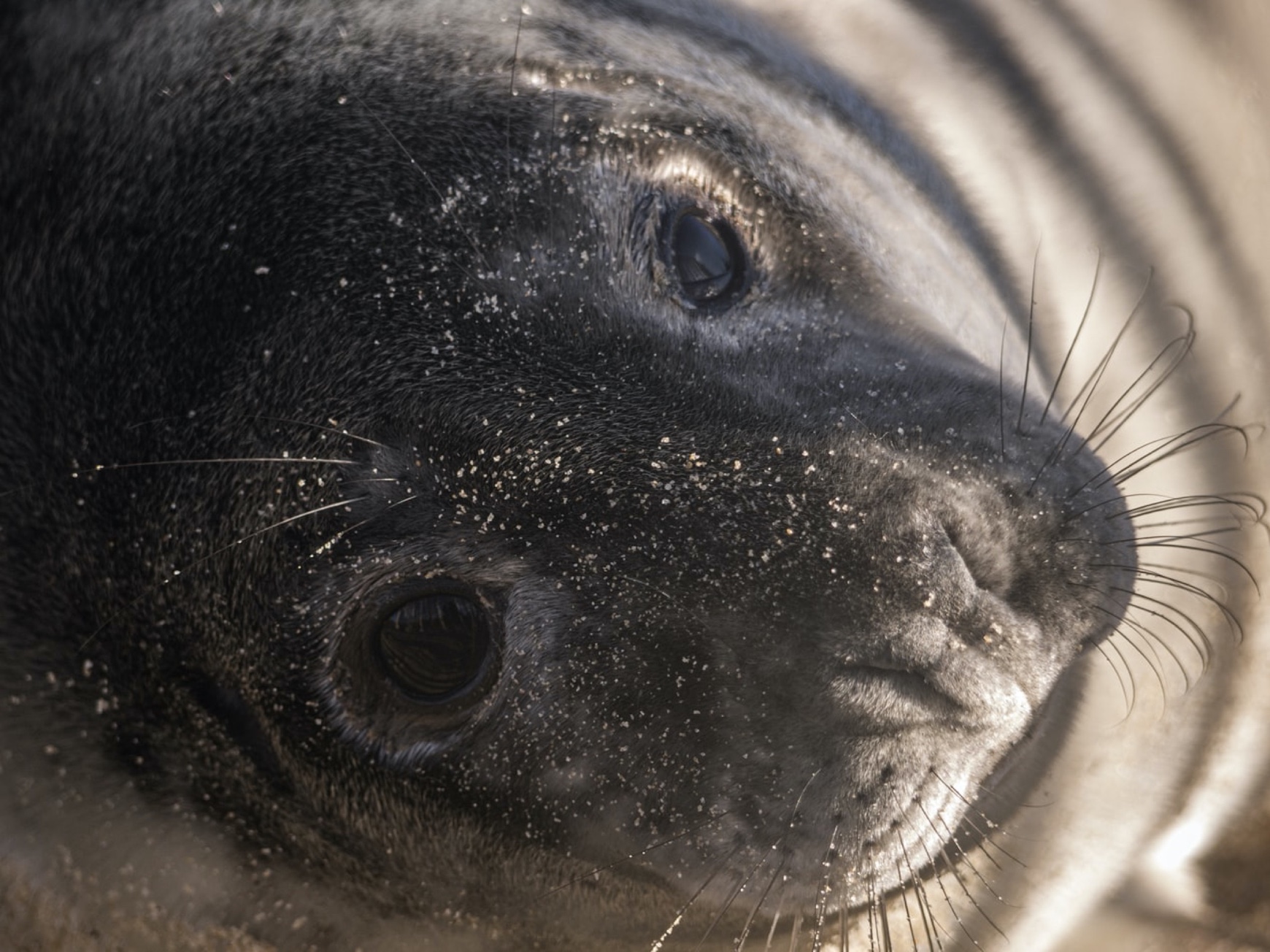
This series includes the reporting and data deliverables for seasonal aerial surveys of seabirds and marine mammals east of Shetland in the Scottish Northern Isles. The surveys were completed as part of POSEIDON, a multi-year, multi-partner project funded through The Crown Estate OWEC programme and led by Natural England.
 Series
2025-2027, OWIC, Offshore Wind Evidence and Change Programme (OWEC), Strategic Compensation Pilots Studies
The Strategic Compensation Studies (SCS) is a £3.5 million project running until the end of 2027 which forms part of the Offshore Wind Evidence and Change programme (OWEC), led by The Crown Estate (in partnership with the Department for Energy Security and Net Zero and Department for Environment, Food & Rural Affairs). Alongside the OWEC programme funding, the SCS project is supported through financial and in-kind contributions from participating Offshore Wind Industry Council (OWIC) members. Further information can be found via the Strategic Compensation Studies webpage.